Fellows & Grantees
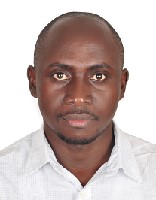
Yahya Sseremba
Makerere Institute of Social Research, Makerere Univeristy (at time of award)
About
Yahya Sseremba is a post-doctoral research fellow at Makerere Institute of Social Research (MISER), Makerere University in Uganda. He received his PhD from Makerere University in interdisciplinary social studies in 2019. He was awarded numerous awards from the Social Science Researdch Council’s Next Genderation Social Sciences in Africa Program: 2016 Proposal Development Award, 2017 Disserattion Research Fellowhsip, and the 2018 Complettion Fellowship. He also was a 2017 fellow of the Young African Scholars Program of the Harry Frank Guggenheim Foundation.
SSRC Awards
-
2021
Next Generation Social Sciences in AfricaA historical and political inquiry into the political violence in the Rwenzori area of Uganda
Makerere Univeristy, Makerere Institute of Social Research
Project description
How do we explain mass violence without using culturalist explanations and without denying the agency of the warring societies? In Uganda's Rwenzori area, each of the Bamba, Basongora and Banyabindi ethnic groups seeks to secede from the Bakonzo and establish its own kingdom or district in a contestation that often escalates into bloodshed.
Researchers tend to explain this conflict as a consequence of cultural differences between the warring parties. Those who attempt to give a political explanation reduce politics to the divisive actions of the head of state whom they blame for instigating tribalism for personal gain. I go beyond the head of state and examine the historical production of the agency of the warring societies and how this explosive agency is reproduced through state institutions. Far from focusing on the president, I problematize the post-colonial state and explore ways of reforming it as opposed to simply changing the president.
-
2020
Next Generation Social Sciences in Africa: Post-Doctoral Writing FellowshipEthnic emancipation and the escalation of ethnic conflicts in Uganda
Makerere University, Makerere Institute of Social Research
-
2019
Individual Research FellowshipsTHE MAKING OF “ETHNIC PATRIOTS” AND ITS IMPLICATION ON ETHNIC VIOLENCE IN WESTERN UGANDA
Makerere Univeristy
-
2017
Doctoral Dissertation Research FellowshipA historical and political inquiry into the political violence in the Rwenzori area of western Uganda
Makerere Univeristy, Makerere Institute of Social Research
Project description
I seek to investigate the drivers of the ongoing so-called tribal violence that started in 2012 in the Rwenzori, western Uganda. This fighting, which involves the societies of the Bakonzo, Bamba, Basongora and Banyabindi in Kasese, Bundibugyo and Ntoroko districts, has been explained as a consequence of ethnic and cultural differences, an explanation that I problematize. This explanation naturalizes these 'tribes' (ethnic groups) and ignores the history that created tribe as a political identity and the current political realities that reproduce this political identity and worsen the polarization of society. My project examines how the Ugandan state is responding to the historical legacy of the politicization of tribe and how this response is escalating the conflict.
I will know my findings are valid if they are free from the faults identified the existing thematic and place-specific debates on the drivers of political violence in Africa, Uganda and the Rwenzori.
-
2016
Doctoral Dissertation Proposal FellowshipBEYOND CLASS AND ETHNICITY: A Genealogical study of the social violence in the Rwenzori Region of Uganda
Makerere Univeristy, Makerere Institute of Social Research
Project description
The societies of the Rwenzori Region in western Uganda are involved in a long conflict that often becomes violent and claims lives. My proposed research seeks to historicize this conflict.
I intend to problematize the two prevailing narratives explaining the conflict, including the cultural explanation, which says that the conflict is a struggle between the Bakonzo on the one hand and Basongora, Banyabindi, Bamba and Batoro 'tribes' on the other. This explanation takes "tribe" as a given and deprives ethnicity of its history and politics. The second narrative, which conceives the conflict in terms of class, does not explain the violence that cuts across classes.
My proposed research shall begin by -- but go beyond -- examining the relationship between this conflict and the colonial regime's indirect rule policy that divided the African natives into separate tribal political units and tribal homelands. I examine the legacy of this divisive policy and how it informs the prevalent 'ethnic' tension.