
 Events
- This event has passed.
The African Peacebuilding and Developmental Dynamics (APDD) sponsored a panel at the African Studies Association of Africa (ASAA) 2025 Conference, held on September 25, 2025, at the University of Cape Verde. Under the theme “Developing African Frameworks for Navigating Peace Vulnerabilities in an Emerging Post-COVID World Order,” the panel brought together fellows to examine how African actors are re-imagining resilience and peacebuilding in the wake of the COVID-19 pandemic.
Dr. Titilope F. Ajayi (Institute for Security Studies / Next Gen 2017 & 2019, APN IRF 2018) who moderated the session welcomed participants and introduced the APN and Next Gen’s mission of strengthening African scholarship on peace and development, and underscored the panel’s goal of exploring self-determined approaches to recovery and transformation.
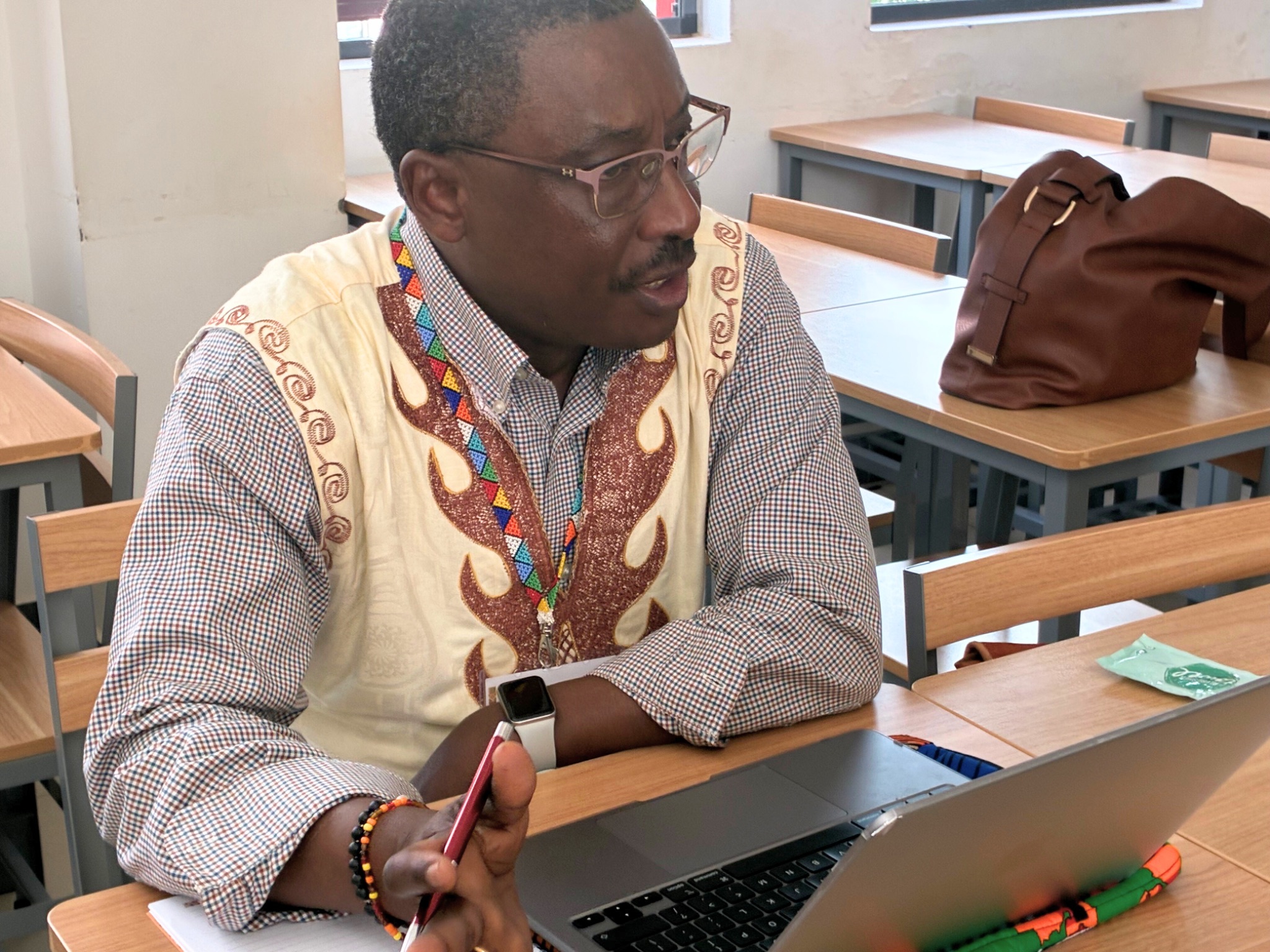 Dr. Johannes John-Langba (University of KwaZulu-Natal . APN IRF 2015) presented his paper, “Beyond Dependency: Reclaiming Public Health Sovereignty in Post-COVID Africa.” Drawing on the WHO Health Systems Performance Assessment Framework, he examined Africa-led efforts to achieve public health autonomy, highlighting local vaccine manufacturing, investment in national health systems, and policy ownership. “COVID-19 was a wake-up call for all of us,” he noted, underscoring that the pandemic revealed both the vulnerabilities of African health systems and the need to move beyond dependency.
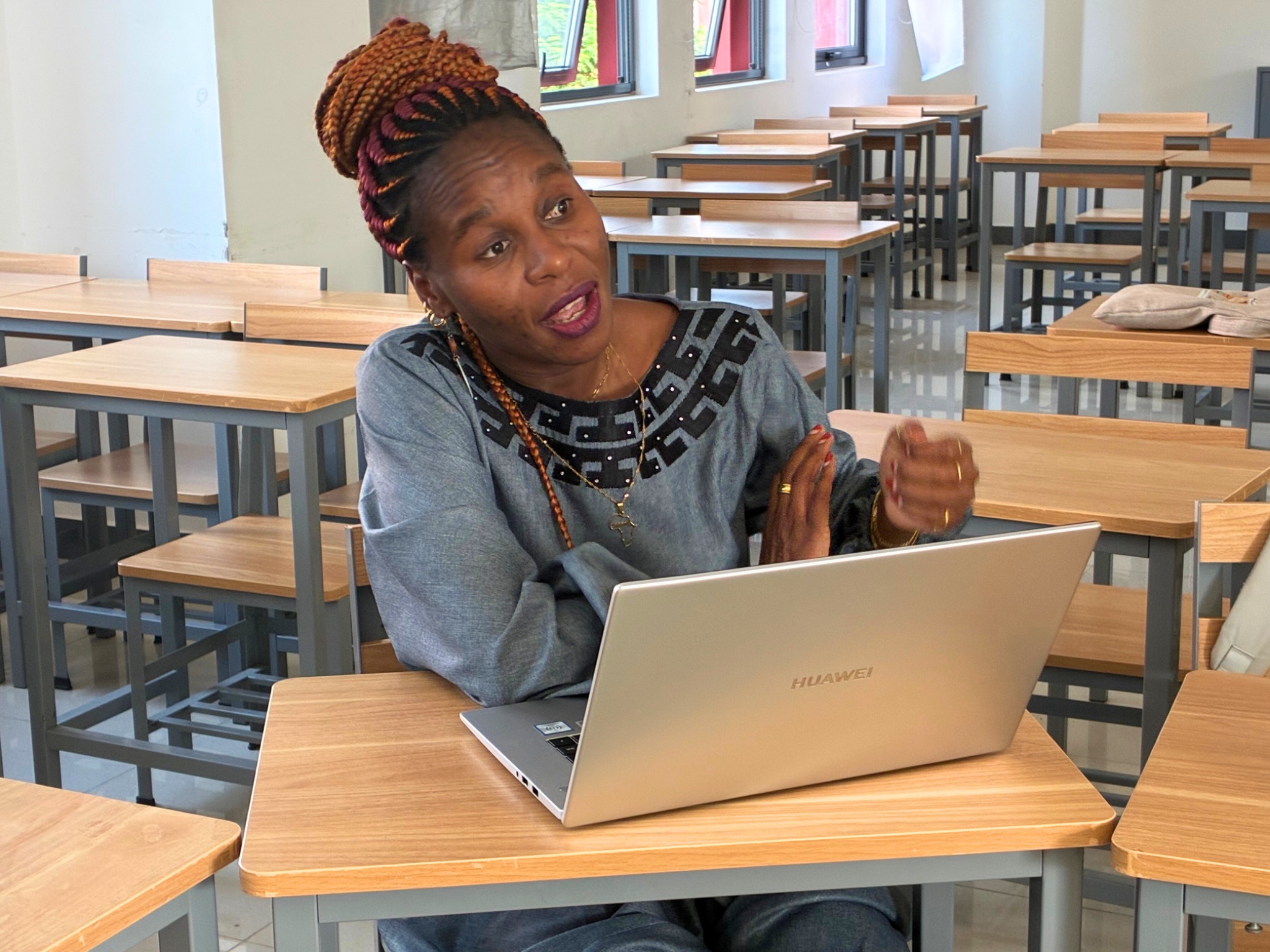 Dr. Rosette Sifa Vuninga (University of Cape Town, APN IRF 2024) followed with “How Does Being Part of the SADC Help Us? Interrogating the Economic and Political Benefits of DR Congo’s Southern African Development Community Membership from the Perspectives of Congolese Immigrants in South Africa.” Her presentation explored the disconnect between South Africa’s regional peacebuilding role in the Democratic Republic of Congo (DRC) and its domestic treatment of Congolese refugees. Using digital ethnography and interviews with community leaders, she demonstrated that post-COVID regional security responses often remain detached from humanitarian realities, highlighting the need for inclusive, refugee-sensitive domestic policies to complement African-led peace initiatives.
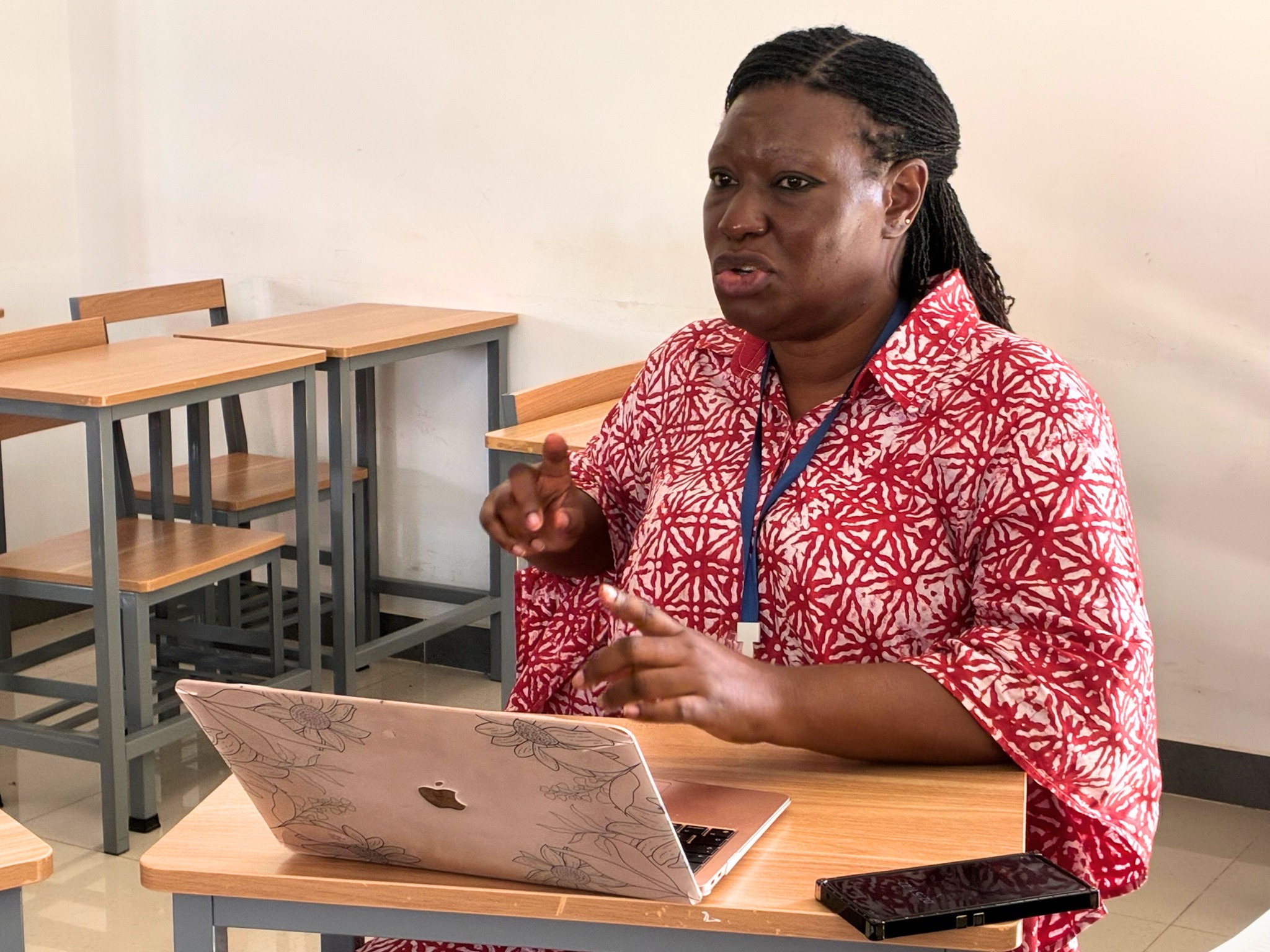 In her own presentation, “Whose Recovery? Centering Gender Justice in Africa’s Post-COVID Reconstruction,” Dr. Ajayi examined the gendered dimensions of the pandemic’s aftermath. She argued that recovery frameworks are often skewed against women, citing increases in gender-based violence, child marriages, and unpaid care burdens. Dr. Ajayi called for African feminist frameworks that foreground care, accountability, and collective well-being to ensure recovery that is not only inclusive, but transformative.
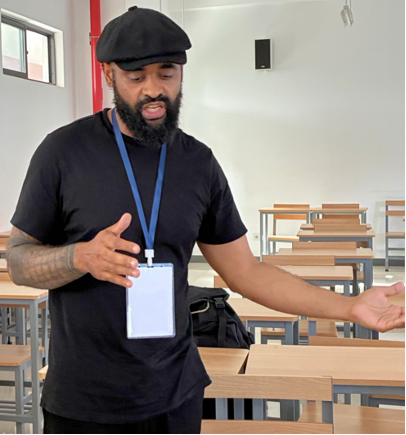 Dr. Sean Maliehe (National University of Lesotho / APN IRF 2024) presented his paper on “Transnational Mobilities, Post-COVID Responses, and Peace in Southern Africa: Case Study of Mobile Money in Diepsloot, South Africa.” Reflecting on fieldwork conducted between 2016 and 2023, he analyzed how migrant networks developed transnational systems of trust, remittance, and economic exchange under precarious conditions. His analysis highlighted how economic pluralism and solidarity are critical for building inclusive African futures, particularly in contexts where state responses remain exclusionary.
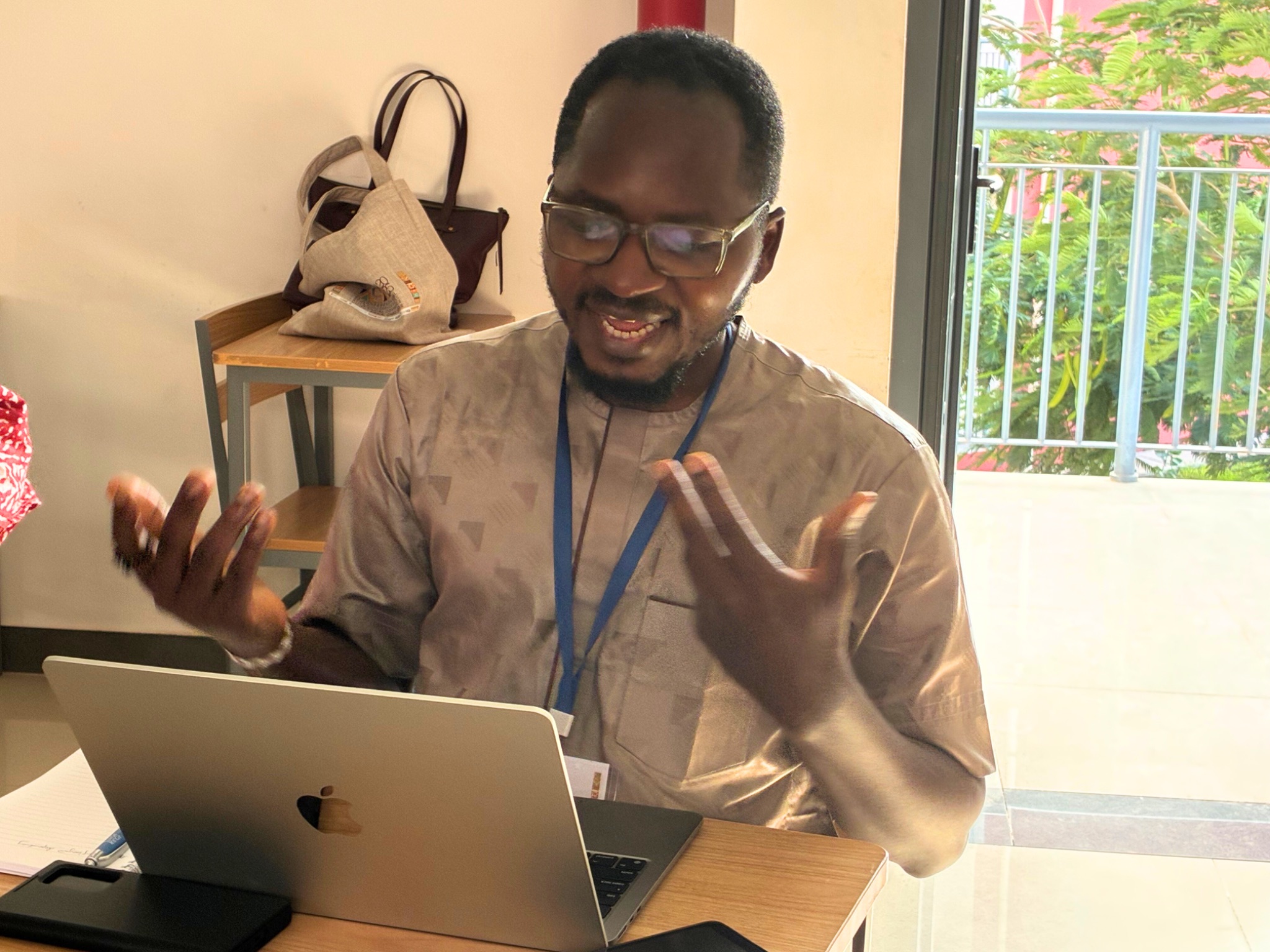 Dr. Sokfa John (University of Pretoria / APN IRF 2024 & APN RPF 2025) concluded the panel with a paper titled, “Post-Digital Praxis, Local Power: Reimagining African Governance through Digital Transformation.” He demonstrated how rapid digitalization during the pandemic both enabled and constrained civic participation, emphasizing the importance of grounding digital innovations in local epistemologies, trust-building, and conflict-sensitive design.
During the discussion, Dr. Rosette Sifa Vuninga asked about the role of traditional medicine in post-COVID recovery. In response, Dr. Johannes John-Langba emphasized the importance of integrating mental health and community-based care into national health systems, noting that traditional medicine can complement formal health services. The conversation eventually highlighted a shared commitment among panelists to centering African agency in post-pandemic recovery frameworks.
In his closing remarks, Dr. Sofka John expressed gratitude to APN and Next Gen for creating spaces that “allow African researchers to pursue the work they believe in” and underscored the irreplaceable value of “meeting in person to build intellectual and social capital.” The session concluded with appreciation to the African Peacebuilding and Developmental Dynamics (APDD) program, whose support made the panel possible, and to the ASAA 2025 organizers and participants.