Fellows & Grantees
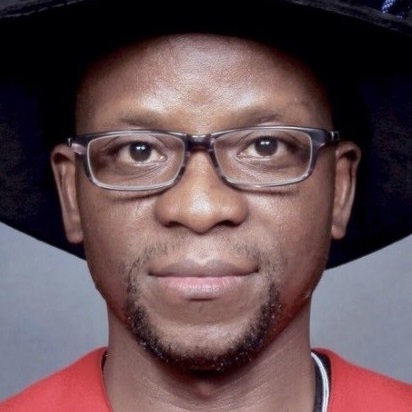
Samaila Suleiman
Department of History, Bayero University Kano (at time of award)
About
Dr. Samaila Suleiman is a lecturer in History at Bayero University, Kano. He received his PhD from the University of Cape Town in 2015. Samaila is a recipient of many prestigious fellowships — he is a two-time SSRC Next Generation Social Sciences in Africa Dissertation Fellow; Brown International Advanced Research Institutes (BIARI) Fellow at Brown University USA; Postdoctoral Fellow, African Humanities Program (AHP) of the American Council of Learned Societies (ACLS); 2018 Presidential Fellow, African Studies Association/American Council of Learned Societies (ASA/ACLS); and Summer Program in Social Science Fellow at the Institute for Advanced Study (IAS), Princeton, USA. He has also received a Johannesburg Workshop in Theory and Criticism (JWTC) Fellowship at the University of Witswatersrand. His research lies at the intersection of historiography, nationalism, identity politics, and conflicts.
Dr. Suleiman’s recent publications include, “Ethnic Minorities and the Dynamics of Heritage Politics in Nigeria” in Unpacking Heritage: Things don’t really exist until you give them a name (Dar es Salaam: Mkuki wa Nyota, 2018), and “The Nigerian History Machine” in Theories of History: History Read Across the Humanities (London: Blomsbury, 2018).
SSRC Awards
-
2018
Individual Research FellowshipsThe Perils of Historiography: Another Culture of Violence in Northern Nigeria
Bayero University Kano, Department of History
Project description
Central to the recurring inter-communal conflicts between the
Hausa-Fulani Muslims and non-Muslim ethnic minorities in northern Nigeria is the
production of narratives of victimhood and resistance. However, most
studies of conflict in the region have only focused on social, economic,
political, religious and environmental factors, ignoring salient
historiographical/textual and discursive roots and processes of the
phenomenon. This project interrogates how
the extra-textual meaning-assigning agency of historiography is
manufactured and weaponized in conflict situations. As monster-making
technology, these narratives originally popularized by journalists gradually
sneaked into the academia, creating a dissident community of discourse –
academic authors, activists, priests and publishers who together constructed
a popular cultural resentment against the Hausa-Fulani Muslims. The
consumers of these narratives are constantly reminded of the historical
injuries of the 19th jihad wars in Hausa land and mobilized along the most
dreaded discursive idioms – "Kaduna Mafia: the Killer Squad", "northern
minorities, why we fight them", "Hausa-Fulani violence", and "pastoral
jihadism", which featured regularly in both academic and popular discourse.
Between 1980 and 2016 more than 100 violent communal clashes – in which
thousands of people including women and children lost their lives – were
reported in the volatile Middle Belt areas of Jos, Benue and Southern Kaduna.
To what extent do these historical discourses function as
incentive to violent clashes? Located within critical work that is attuned to the salience of knowledge-conflict nexus, the project seeks to demonstrate how historical narratives, animated by rumours and conspiracy theories, acquired functional discursive properties and social meaning. Preliminary reading of the conflicts suggests deep-seated intersection between historiography, victimhood, vengeance and violence. -
2013
Doctoral Dissertation Completion FellowshipThe Nigerian History Machine: Institutional Practices and the production of Middle Belt Historical Discourse
University of Cape Town, History
Project description
This project is conceived on the premise that historical writing and the production of historical knowledge is a basic social and political practice. The fragmentation of nations following the crisis of post-colonial nationhood has ushered in a new trend towards competing alternative historical discourses among local communities. This partisan version of historiography has been aptly described recently, in a rather implicit term, as a genre of "the third wave of historical scholarship on Nigeria. But whether the surge in historical writing on Middle Belt communities represents an example of the third wave of historical scholarship on Nigeria or a new direction in historical thinking, methodology and theory is an interesting research question that remains unexplored.
Students of historiography are rarely bothered about the processes of power relations and institutional practices involved in the production of history. This project is a study of how the Middle Belt counter-historical discourse is produced against the grain. -
2012
Doctoral Dissertation Research FellowshipThe Middle Belt in Nigeria: An Alternative Historiography
University of Cape Town, History